
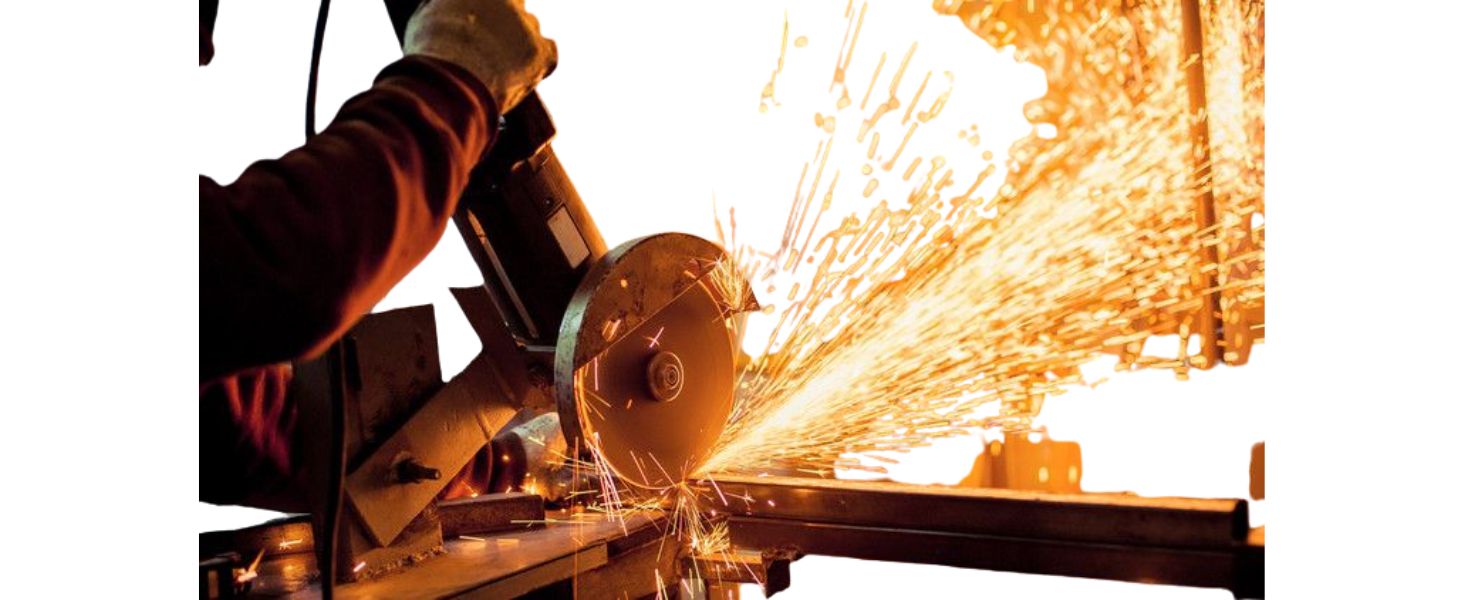
A practical guide to sourcing welding, coating, and consumable supplies for hydropower projects in Nepal, and what to check before ordering
A Practical Guide to Sourcing Hydropower Project Supplies in Nepal
Nepal’s hydropower sector runs on more than turbines and transformers. Every project, from a small run-of-river scheme to a major national plant, depends on a steady supply of consumables and fabrication materials that rarely make headlines but that construction and maintenance teams cannot work without: welding rods, cutting and grinding wheels, protective coatings, and corrosion treatments.
For project managers and procurement teams, the challenge usually isn’t knowing what these materials are. It’s making sure the right grade, quantity, and quality reach the site on schedule, in a sector where remote locations and long lead times make a missed delivery expensive.
Why Consumables Management Matters on Hydropower Sites
Hydropower construction involves constant steel fabrication and structural work: penstocks, gates, support structures, and machine housings all require welding, cutting, and surface protection. A shortage of even a basic item like welding rod can stall a fabrication crew for days, especially at sites with limited road access.
Corrosion protection is just as critical. Hydropower components are exposed to constant moisture, and coatings like epoxy paint and zinc phosphate treatments determine how long steel structures last before they need rework. Getting this stage wrong is far more costly to fix later than it is to do properly the first time.
Key Supply Categories for Hydropower Projects
Welding Consumables
Welding rods and welding machines form the backbone of on-site fabrication. Project teams typically need a range of rod types suited to different steel grades and joint conditions, so working with a supplier who understands specification requirements, not just general hardware, matters.
Cutting and Grinding Wheels
Used constantly across fabrication and site preparation work. Because these are consumed quickly relative to other materials, reliable and consistent stock availability tends to matter more than it does for one-off equipment purchases.
Surface Treatment and Coatings
- Epoxy coating paint for long-term corrosion resistance on structural steel
- Zinc phosphate treatments as a pre-coating surface preparation step
- Dye spray for weld inspection and surface marking
Each plays a distinct role in extending the working life of hydropower infrastructure exposed to Nepal’s wet, humid site conditions.
What to Look for in a Hydropower Supplies Partner
- Consistent stock, not just one-time availability. Projects run over months or years, and a supplier who can restock reliably is worth more than one offering a slightly lower price on a single order.
- Understanding of technical specifications. Not all welding rods or coatings are interchangeable across applications; a supplier should be able to advise on the right grade for the job.
- Delivery capability to remote project sites. Many hydropower sites in Nepal are outside major cities, so logistics reliability is as important as product quality.
- Bulk and trade pricing. Large-scale projects benefit from B2B pricing structures rather than retail-rate purchasing.
- A track record with similar projects. Suppliers experienced in hydropower and industrial contexts tend to anticipate site needs better than general hardware retailers.
Planning Ahead for Project Phases
Different phases of a hydropower project draw on different supply categories. Early civil and structural work leans heavily on welding and fabrication consumables, while later phases shift toward protective coatings and finishing materials. Coordinating procurement schedules with project phases, rather than ordering reactively, helps avoid the delays that come from last-minute sourcing in remote locations.
A rough phase-by-phase breakdown looks like this:
- Civil and structural fabrication phase: Heavy demand for welding rods, welding machines, and cutting and grinding wheels as steel structures, penstocks, and support frameworks are built on site.
- Surface preparation and protection phase: Zinc phosphate treatments and epoxy coatings become the priority, applied to fabricated steel before it’s exposed to long-term moisture and weather.
- Inspection and quality control: Dye spray and related inspection materials are used to check weld quality and surface integrity before structures are signed off.
- Ongoing maintenance phase: Once the plant is operational, procurement shifts toward smaller, recurring orders of touch-up coatings, replacement consumables, and corrosion treatment for exposed components that continue to wear over time.
Mapping your procurement calendar against these phases, rather than treating supply orders as one-off events, makes it far easier to negotiate better bulk pricing and avoid the premium that comes with emergency, short-notice orders.
The Cost of Getting Corrosion Protection Wrong
Nepal’s hydropower sites sit in consistently humid, often monsoon-affected environments, and steel structures exposed to that moisture without adequate protection deteriorate faster than most project budgets account for. The cost of reworking corroded structural steel years into a project’s operational life, including labor, downtime, and material replacement, is almost always higher than the cost of applying proper zinc phosphate and epoxy treatment during initial construction.
This is one of the more common false economies in project procurement: cutting corners on coating quality or skipping a preparation step like zinc phosphate treatment to save on upfront material cost, only to face far larger repair costs once corrosion sets in. A well-specified coating system, applied correctly the first time, is one of the more cost-effective investments a hydropower project can make relative to its long-term payoff.
Logistics: Why Delivery Reliability Matters as Much as Product Quality
Many hydropower projects in Nepal are located in areas with limited road infrastructure, seasonal access constraints, and long travel distances from major supply hubs like Kathmandu. This changes how procurement should be approached compared to a typical urban construction project.
A few practical considerations for project teams:
- Lead time buffers. Monsoon season can restrict road access to certain sites for extended periods, so ordering consumables well ahead of anticipated need reduces the risk of a supply gap during critical construction windows.
- Bulk ordering vs. just-in-time delivery. Unlike urban projects where frequent small deliveries are practical, remote hydropower sites often benefit from larger bulk orders scheduled around accessible delivery windows.
- Supplier communication. A supplier who proactively flags potential delivery delays, rather than only responding when asked, makes a meaningful difference to project planning.
- On-site storage conditions. Coatings and treatment chemicals often have specific storage requirements, particularly around temperature and moisture, which matters when deliveries need to be stockpiled ahead of use.
Working with Local Suppliers vs. Importing Directly
Some project teams weigh the option of importing welding consumables or coatings directly from overseas manufacturers, particularly for large-volume orders. This can offer cost advantages at scale, but it comes with tradeoffs worth considering: longer lead times, customs clearance delays, and the difficulty of getting quick replacement stock if a batch turns out to be defective or insufficient.
Local suppliers with established import relationships and standing local stock offer a middle ground, combining reasonable pricing with the ability to respond quickly to on-site shortages. For time-sensitive project phases, this responsiveness often outweighs the marginal savings of a direct overseas order.
Sourcing Hydropower Supplies from D. Divine Trading
D. Divine Trading supplies welding rods and machines, cutting and grinding wheels, epoxy coating paint, and zinc phosphate and dye spray products for hydropower and industrial projects across Nepal, with B2B trade pricing and delivery support. For project-specific quotations, contact the team directly.
Frequently Asked Questions
What supplies does a typical hydropower project need most? Welding consumables, cutting and grinding wheels, and corrosion protection coatings like epoxy paint and zinc phosphate are among the most consistently used materials across hydropower construction and maintenance work.
Can suppliers deliver to remote hydropower project sites in Nepal? This depends on the supplier’s logistics network. It’s worth confirming delivery capability and typical lead times to remote locations before finalizing a procurement partner.
Why is zinc phosphate treatment used before epoxy coating? Zinc phosphate acts as a surface preparation step that improves the adhesion and durability of the epoxy coating applied afterward, extending the overall lifespan of the steel structure.
Does D. Divine Trading offer bulk or trade pricing for large projects? Yes. D. Divine Trading provides B2B trade pricing and customized quotations based on project scale and requirements. Request a quote for specifics.
Are these products suitable for both new construction and maintenance work? Yes. Welding, cutting, and coating supplies are used throughout a hydropower project’s lifecycle, from initial fabrication through ongoing maintenance and corrosion protection.
How far in advance should hydropower projects order consumables? Given seasonal access constraints at many project sites, ordering well ahead of anticipated need, particularly before monsoon season, helps avoid supply gaps during critical construction windows.
Is it better to import hydropower supplies directly or buy from a local supplier? Direct imports can offer savings at very large volumes but come with longer lead times and slower response to shortages. Local suppliers with standing stock typically offer better responsiveness for time-sensitive project phases.